
Ale & Beer
Water was not generally safe to drink, particularly in urban areas and milk was only available around calving time. Any excess milk was far too valuable for drinking, and was saved for butter and cheese production.
Water was not generally safe to drink, particularly in urban areas and milk was only available around calving time. Any excess milk was far too valuable for drinking, and was saved for butter and cheese production.
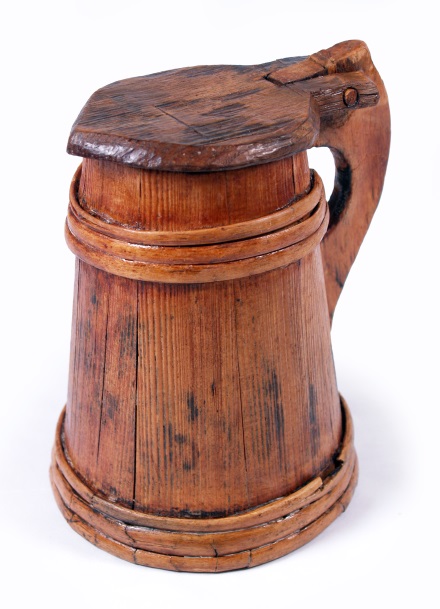
The regular consumption of weak beer was probably the best source of vitamin B for the majority of the population – too much alcohol prevents absorption of the vitamin.
Because beer had an extended shelf life, it permitted production on a much larger scale, resulting in the decline of home brewing, and the growth of “common brewers”, generally male, providing a product to be bought in by households or delivered to inns, rather than being drunk on the premises. The purchasing of beer from the local brewer was a significant element in the downfall of Mary, Queen of Scots.
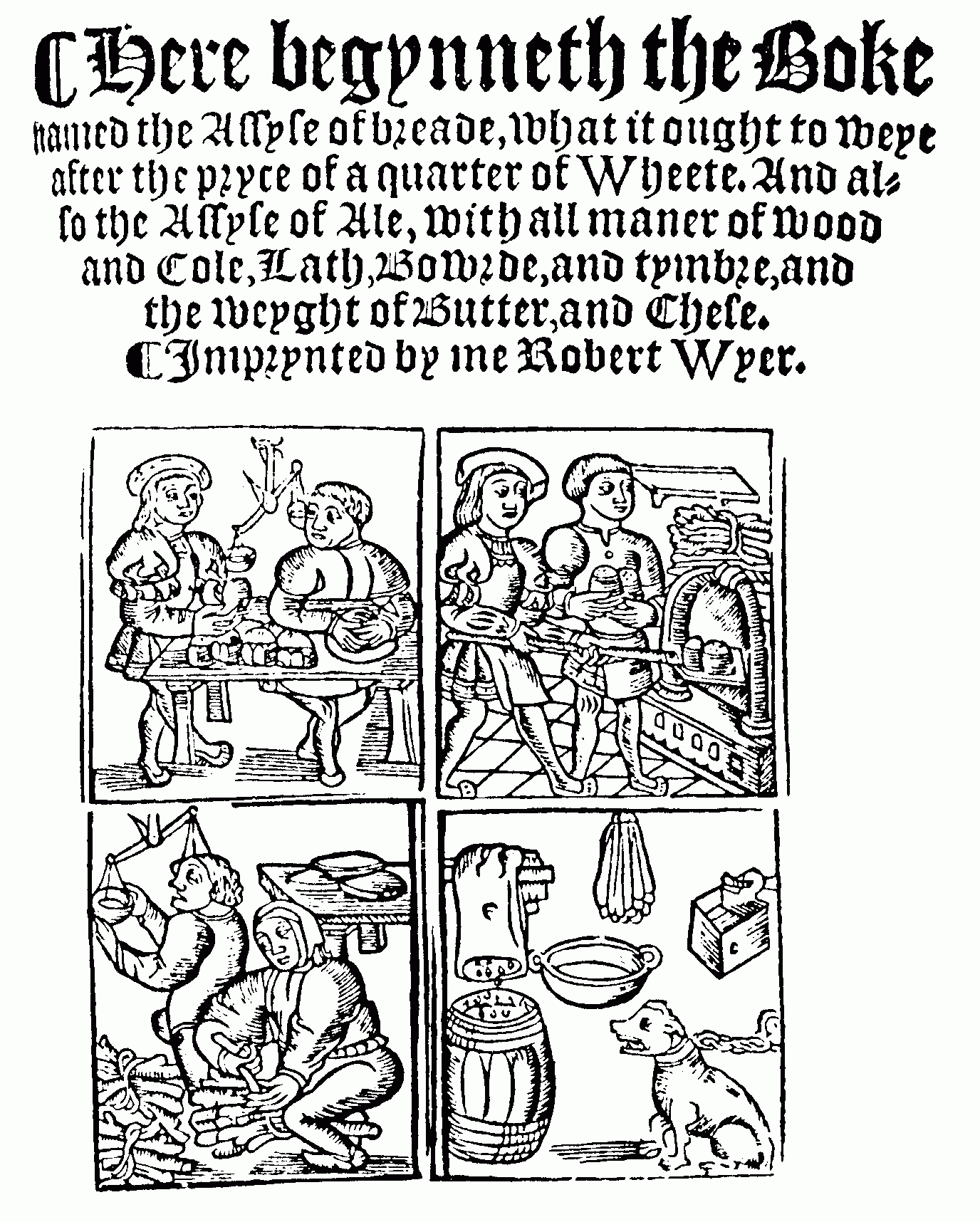
The price of ale had been fixed back in the 1266 Assize of Bread and Corn, when it was decreed that the price of ale be related to the cost of corn. It was not taxed until the seventeenth century.
Because beer had an extended shelf life, it permitted production on a much larger scale, resulting in the decline of home brewing, and the growth of “common brewers”, generally male, providing a product to be bought in by households or delivered to inns, rather than being drunk on the premises. The purchasing of beer from the local brewer was a significant element in the downfall of Mary, Queen of Scots.
“You shall resort to every brewer’s house in this city on their tunning day, and there to taste their ale whether it be good and wholesome for man’s body, and whether they make it from time to time according to the price fixed.”
The price of ale had been fixed back in the 1266 Assize of Bread and Corn, when it was decreed that the price of ale be related to the cost of corn. It was not taxed until the seventeenth century.


 Amazon US

 Amazon UK

 Amazon US

 Amazon UK

 Amazon US

 Amazon UK