Kenilworth Castle
Norman Keep to Elizabethan Pleasure Palace
Chapter 3 : Towers and Trebuchets (1120-1266)
The lands around Kenilworth, and a licence to build a castle, were granted in the 1120s to Geoffrey de Clinton, who was Chamberlain and Treasurer to Henry I. De Clinton’s original building was probably of wood, but he may also have been responsible for the great sandstone Norman Keep.
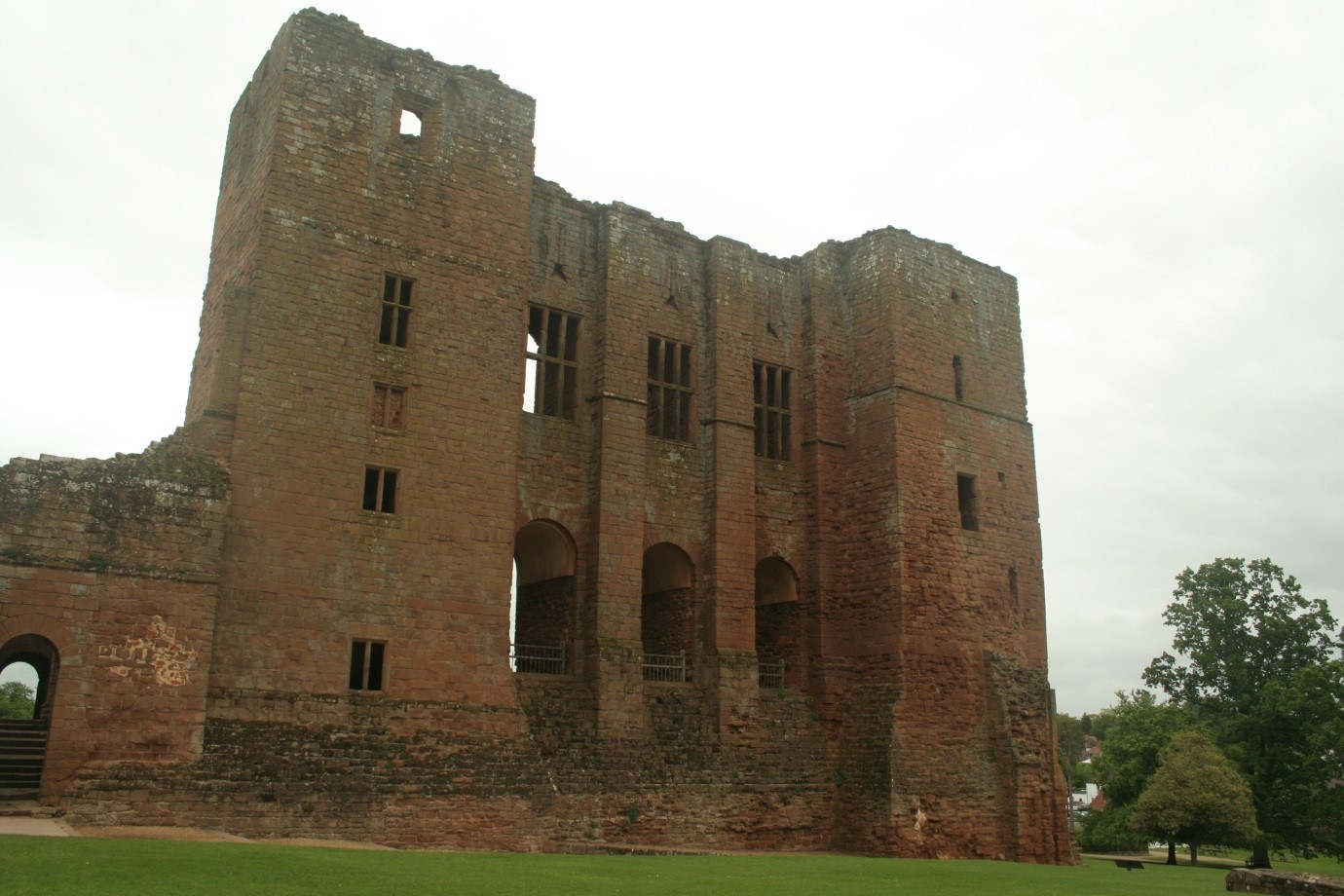
The Castle was not just defensive, however – there are records of a Queen’s Chamber, from the time of Eleanor of Provence, wife of John’s son, Henry III.
Eventually, a compromise was reached, and the garrison surrendered on 14th December 1266.
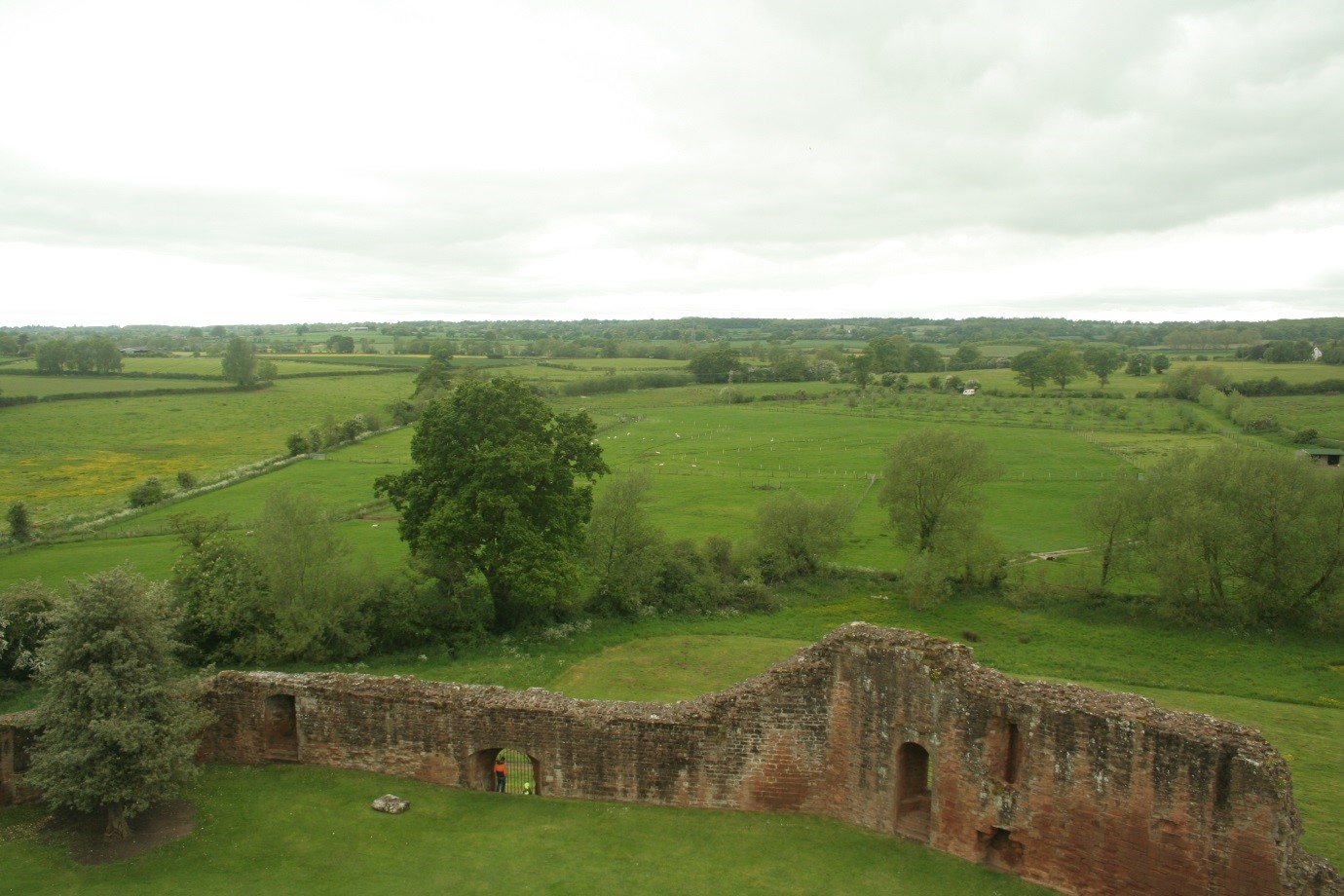
The Castle was not just defensive, however – there are records of a Queen’s Chamber, from the time of Eleanor of Provence, wife of John’s son, Henry III.
The Castle passed out of royal hands when Henry III granted it to his sister’s husband, Simon de Montfort, who was also given the title of Earl of Leicester. De Montfort strengthened the Castle still further, introducing the latest military equipment.
Henry III, although not so personally repellent as King John, had an equally poor relationship with his barons, and de Montfort led the revolt against him, known as the Barons’ War, which led, indirectly to the first Parliament in England. After initial victories, the Barons were defeated by Prince Edward, and de Montfort killed at the Battle of Evesham on 4th August 1256. His remaining supporters fled to Kenilworth, where they were besieged for over a year, in the longest siege that ever took place on English soil.
De Montfort’s modern defences had included trebuchets – large, rock throwing contraptions that kept the besiegers at bay. In due course, however, the King sent for bigger and better trebuchets that could fling rocks of some 300lbs over 350 yards, with which the royal forces managed to destroy one of the inner buildings. Nevertheless, the Castle held out – the surrounding mere making it difficult to undermine.
Eventually, a compromise was reached, and the garrison surrendered on 14th December 1266.