PERSON OF THE MONTH
Katherine Parr

Queen of England from 1543 until 1547, the last of the six wives of King Henry VIII.

View feature
  • On This Day 26th October 1538

    On 26th October 1538, Sir Geoffrey Pole was interrogated. Son of Margaret Plantagenet, Countess of Salisbury and Sir Richard Pole, Geoffrey was second cousin to Henry VIII, and had, with his siblings, received favour at the King’s hands. Their mother’s hereditary lands had been restored, two of Geoffrey’s brothers, Henry, Baron Montague, and Sir Arthur Pole, had places in the King’s household and his other brother, Reginald, had been educated in Italy at Henry’s expense. In the 1530s, however, everything went sour and the whole family fell under suspicion, culminating in investigations into the 'Exeter Conspiracy'.

  • On This Day 25th October 1519

    On 25th October 1519, the marriage of Henry Courtenay, Earl of Devon and Gertrude Blount took place. Courtenay was Henry VIII’s first cousin, son of Katherine of York. The two men had been companions, Courtenay having ‘been brought up of a child with his Grace in his chamber’. Gertrude was the daughter of William, 4th Lord Mountjoy, Chamberlain to Katharine of Aragon. Gertrude was amongst the Queen’s ladies, and husband and wife both attended the King and Queen at the Field of Cloth of Gold. Nevertheless, when Henry began annulment proceedings against Katharine, the spouses were not of the same mind. Courtenay (who had been promoted to the Marquessate of Exeter) assisted Henry as far as possible, whilst Gertrude remained a vocal supporter of the Queen. Gertrude fell under suspicion for having communicated with Elizabeth Barton, hanged for treason, and was obliged to act as godmother at the confirmation of the baby Elizabeth. Despite this long history of close friendship, Courtenay aroused Henry’s suspicions, and was executed in the wake of the ‘Exeter Conspiracy’.

    Picture shows Henry Courtenay second from left in this Garter Procession

  • On This Day 24th October 1537

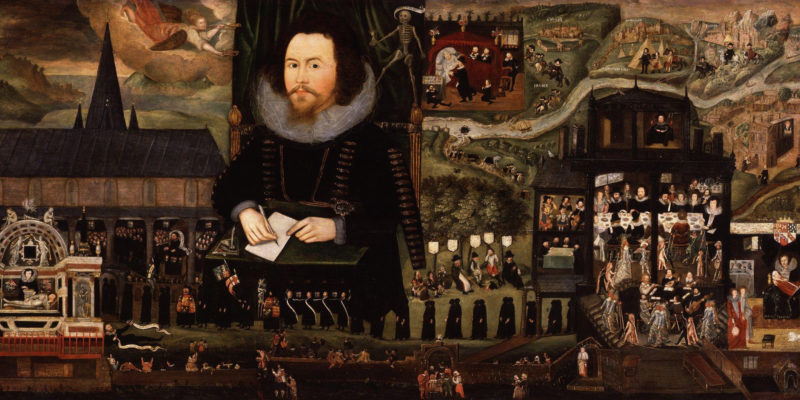
    On 24th October 1537, Jane Seymour died at Hampton Court, twelve days after an excruciating labour had brought forth Henry VIII’s heir. The exact cause of her death is uncertain – she did not (despite rumours) have a caesarean section. If she had, she certainly would not have made the immediate progress she did after the birth, being able to sit up in bed and receive visitors after the christening of the baby Edward.

    Henry mourned his wife sincerely, as did the whole court. The King organised a splendid funeral for her. It was not customary for kings to attend funerals (other than their own!) so he withdrew to mourn in private. The role of Chief Mourner was taken by Jane’s step-daughter Mary, who was originally so upset that the Marchioness of Exeter had to undertake the initial duties. Mary and the other ladies, including Lady Frances Brandon, Marchioness of Dorset, rode slowly behind Jane’s coffin to its burial place at Windsor, where she still lies, Henry by her side.

    Picture is of St George's Chapel, Windsor Castle, where Jane is buried


New Non-fiction Books

New Fiction Books


What's on

Tudor Times Shop

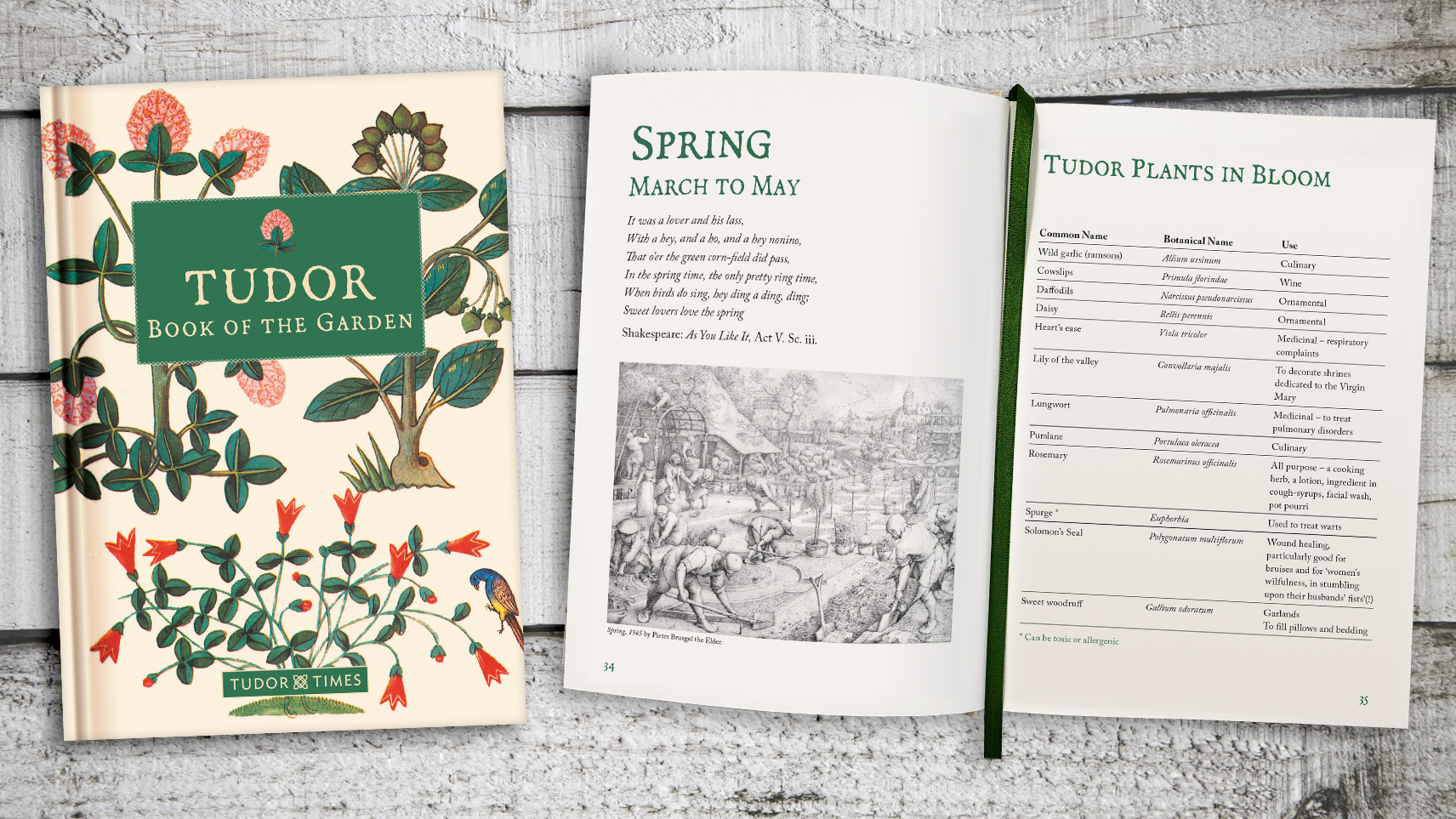
Modern journal with Tudor garden information

View Now
Get regular updates
Register your details to get regular updates